Merton

Lease Extension Valuations - Merton

Living in Merton

Own a flat or maisonette in Wimbledon, Mitcham, Raynes Park, Colliers Wood and Morden? A shortening lease can affect your property’s value, mortgageability and saleability, while the premium payable can increase significantly as the lease term reduces.

Blakes Chartered Surveyors provides specialist lease extension valuation and negotiation advice for leaseholders, freeholders and solicitors across Merton. We combine local market evidence with specialist leasehold valuation expertise, helping clients make informed decisions before notices are served, during negotiations and, where necessary, in preparation for tribunal proceedings.

merton

Merton contains a varied leasehold market including converted buildings, purpose-built apartments, modern developments and ex-local authority housing across the borough. Lease extension valuations can vary considerably depending on lease length, local buyer demand, ground rent provisions, service charge structures and comparable market evidence specific to different neighbourhoods within Merton.

Our role is to provide clear, evidence-led advice on the likely premium and realistic negotiating range before you commit to a statutory or informal lease extension. We can liaise directly with your solicitor, advise on the premium figure to include within a Section 42 Notice, negotiate with the landlord’s surveyor and help you assess whether a proposed settlement is commercially sensible.

We regularly advise leaseholders, housing associations, resident management companies and private landlords throughout Merton. Whether your priority is protecting sale value, securing mortgageability or extending before premium costs rise further, we provide practical, commercially focused advice tailored to the local property market in Merton.
Why the valuation matters

A lease extension is not just an administrative process. The valuation sets the commercial framework for the claim. If the opening figure is too high, you may weaken your negotiating position; if it is too low, you risk delay, dispute and unnecessary pressure after the landlord’s counter-notice.

Blakes prepares lease extension valuations using recognised methodology, current market evidence and practical negotiation experience. We consider the unexpired term, ground rent, lease structure, relativity, deferment and capitalization rate evidence, local flat values and the likely approach of the freeholder’s surveyor.


How Blakes can help

  • Initial review of your lease term, ground rent and property details.
  • Lease extension valuation advice for statutory and voluntary claims for both leaseholders and freeholders.
  • Recommended premium negotiation strategy before notices are served.
  • Negotiation with the leaseholder/freeholder or the leaseholder/freeholder’s surveyor.
  • Advice for leaseholders, freeholders, solicitors and managing agents.
  • Experienced Expert Witness support where a negotiated settlement cannot be reached.
  • Coordination and liaison with your appointed solicitors to ensure a smooth process.
 

Need a lease extension valuation?

Speak to Blakes Chartered Surveyors for a clear view of the likely premium, negotiation strategy and next steps.

Call 020 7373 7373 or email info@blakessurveyors.com to arrange an initial discussion.

Prefer a fully managed lease extension service?

If you would like valuation and legal work handled together, extension.lease brings together Blakes Chartered Surveyors and Arcadia Law in a coordinated end-to-end fixed fee service. This may be the better route if you want one team to manage both the surveying and solicitor stages from start to finish.

Visit extension.lease

Statutory Lease Extensions

For most qualifying flats, the statutory lease extension route is made under the Leasehold Reform, Housing and Urban Development Act 1993. The current statutory route provides a new lease adding 90 years to the existing term and reducing the ground rent to a peppercorn, subject to qualification and the correct procedure being followed.

The previous requirement to have owned the flat for two years has been removed for qualifying claims made from 31 January 2025. The lease and title still need to be checked carefully, and the premium should be assessed before any notice is served. Because the notice figure can influence the negotiation, we recommend obtaining specialist valuation advice at the outset.

The Lease Extension Process

  1. Initial review and quotation – we review the lease term, ground rent pattern, property type, location and your objectives.
  2. Valuation advice – we prepare an evidence-led valuation and advise on the likely premium range.
  3. Notice strategy – where you use the statutory route, we advise on the premium figure for your solicitor to include in the Section 42 notice.
  4. Landlord counter-notice – the landlord will usually serve a counter-notice stating whether the claim is admitted and what premium they propose.
  5. Negotiation – Blakes negotiates with the landlord’s surveyor to narrow the valuation gap if applicable and seek a sensible settlement.
  6. Agreement or tribunal – if agreement cannot be reached within the statutory timetable, our highly experienced surveyors and valuers can represent you at the First Tier Tribunal.
  7. Completion – once the premium and lease terms are agreed, the solicitors complete and register the new lease with HM Land Registry.

Looking for a packaged lease extension service?

At extension.lease we make the lease extension process simple, stress-free, and fully managed from start to finish.

Frequently Asked Questions

  • For most qualifying flats, the current statutory route generally gives the leaseholder a new lease adding 90 years to the existing term, with ground rent reduced to a peppercorn for the entire lease term. Informal lease extensions offered by landlords may deviate from the statutory basis and it is not uncommon for existing ground rents to be reserved or shorter lease extensions to be granted.

A brief overview of case studies from the numerous clients who have received support and expertise from Blakes

Lease extensions
0 +
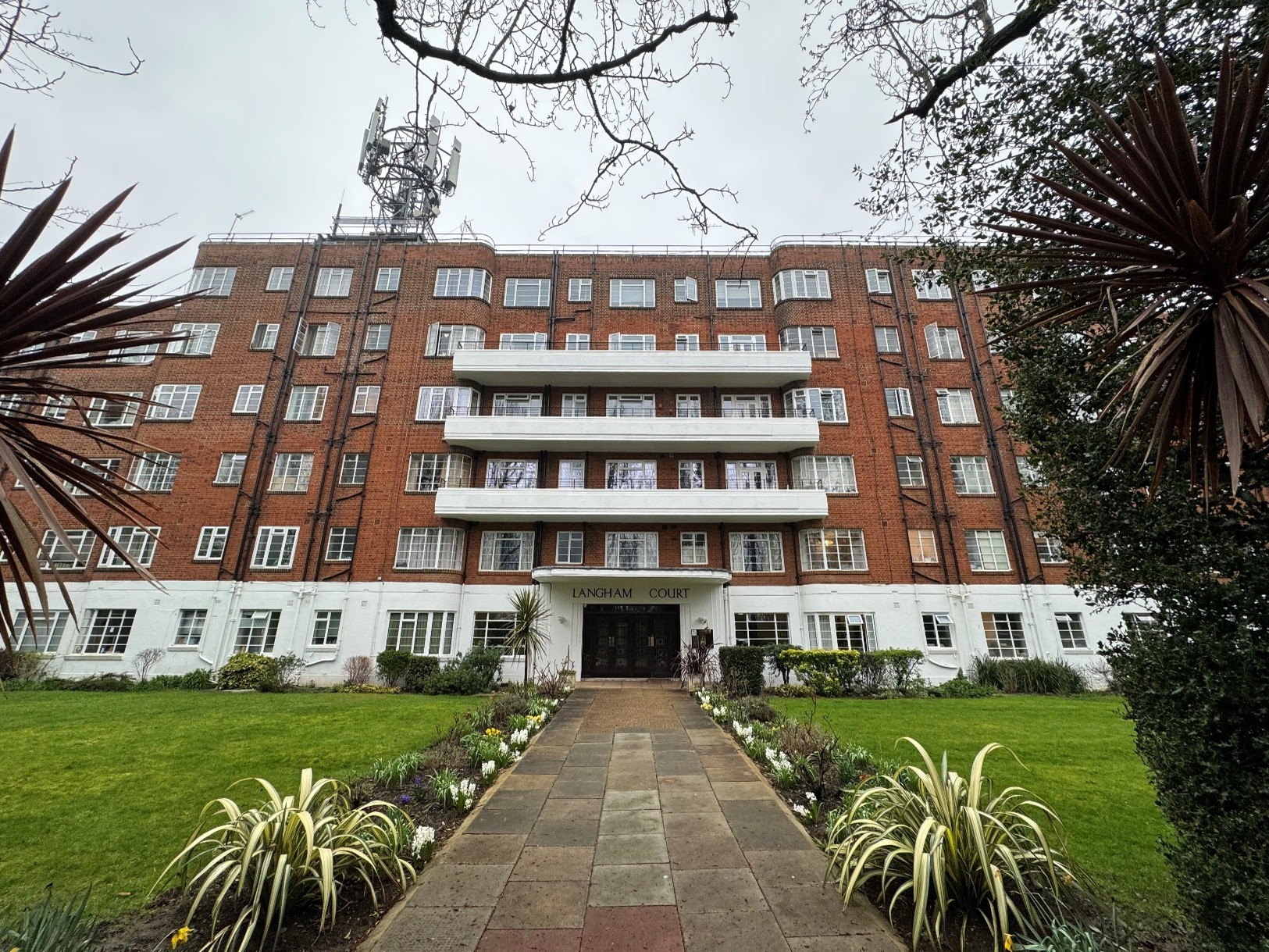
Lease extension case study for a flat in Langham Court, Raynes Park SW20
Langham Court, Raynes Park SW20
This case involved a leasehold flat in Langham Court, a development in Raynes Park, a well-established south-west London residential area close to Wimbledon, local amenities and good rail connections. The leaseholder wanted to deal with the reducing lease term before it started to affect the flat's value or create difficulty for future buyers or lenders.

The lease extension gave the property a more secure long-term position and removed the lease term as a concern for the future. For leaseholders in Raynes Park and the wider SW20 area, this case shows why addressing lease length before it becomes a visible issue is the most straightforward approach to protecting property value.
Lease extension case study for a flat on West Barnes Lane Estate, Raynes Park SW20
West Barnes Lane Estate, Raynes Park SW20
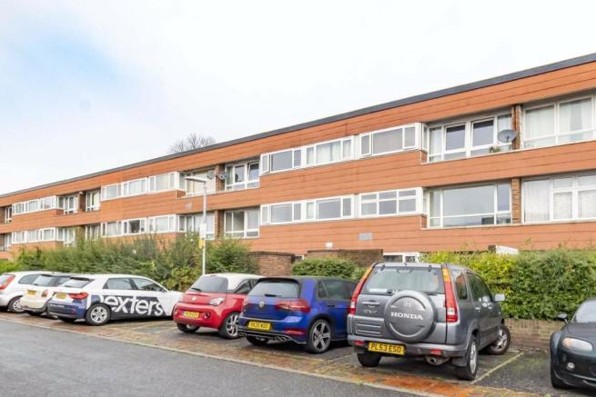
This case involved an ex-local authority flat on an estate in Raynes Park, close to local amenities and rail connections into Wimbledon and central London. The leaseholder recognised that the remaining term needed attention before it started to limit the property's future options or raise questions with buyers and lenders.

The lease extension helped give the flat a cleaner and more settled position, reducing the risk of lease length becoming an obstacle in future sale or remortgage discussions. For leaseholders on estates in Raynes Park and the wider SW20 area, this case shows the practical benefit of addressing lease length before it starts to work against the property's market appeal.
Lease extension case study for a flat in Esher Gardens, Wimbledon SW19
Esher Gardens, Wimbledon SW19
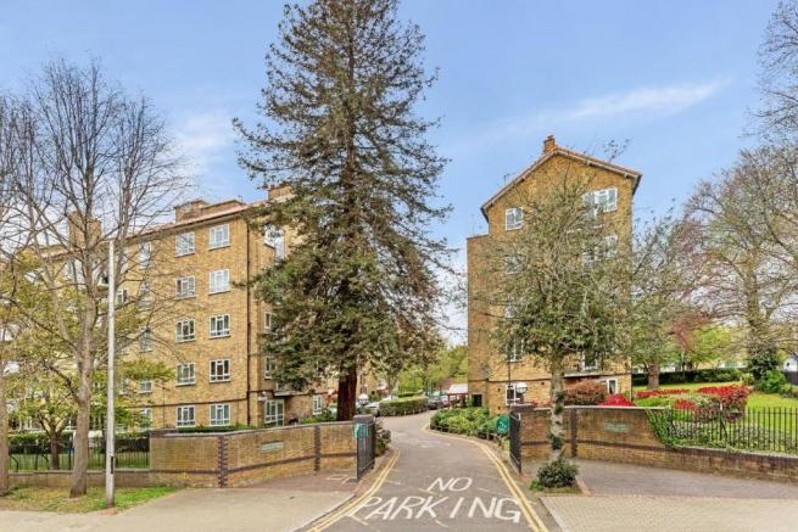
This case involved a leasehold flat in a residential development in Wimbledon, one of south-west London's most well-regarded residential areas. The property sat in a strong market location, but the remaining lease term needed to be improved to ensure the flat's position was not weakened by a shortening lease when the leaseholder came to sell or remortgage.

Completing the lease extension helped give the flat a more secure and marketable position, supporting long-term value in a competitive south-west London market. For leaseholders in Wimbledon and the wider SW19 area, this case shows why dealing with lease length proactively is the most effective way to protect a well-located property from the impact of a declining term.